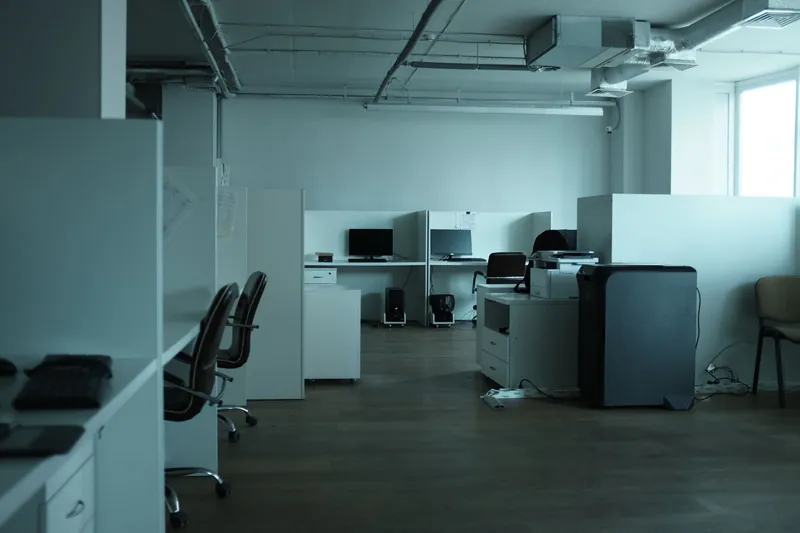
Office and Workplace Biohazard Cleanup
Workplace biohazard cleanup addresses office injuries and exposure incidents at work.
See office and workplace biohazard cleanupGet commercial biohazard cleaning for an office, store, warehouse or industrial property in Bothell. The cleanup can include containment, contaminated material removal, disinfection, odor treatment and waste disposal.
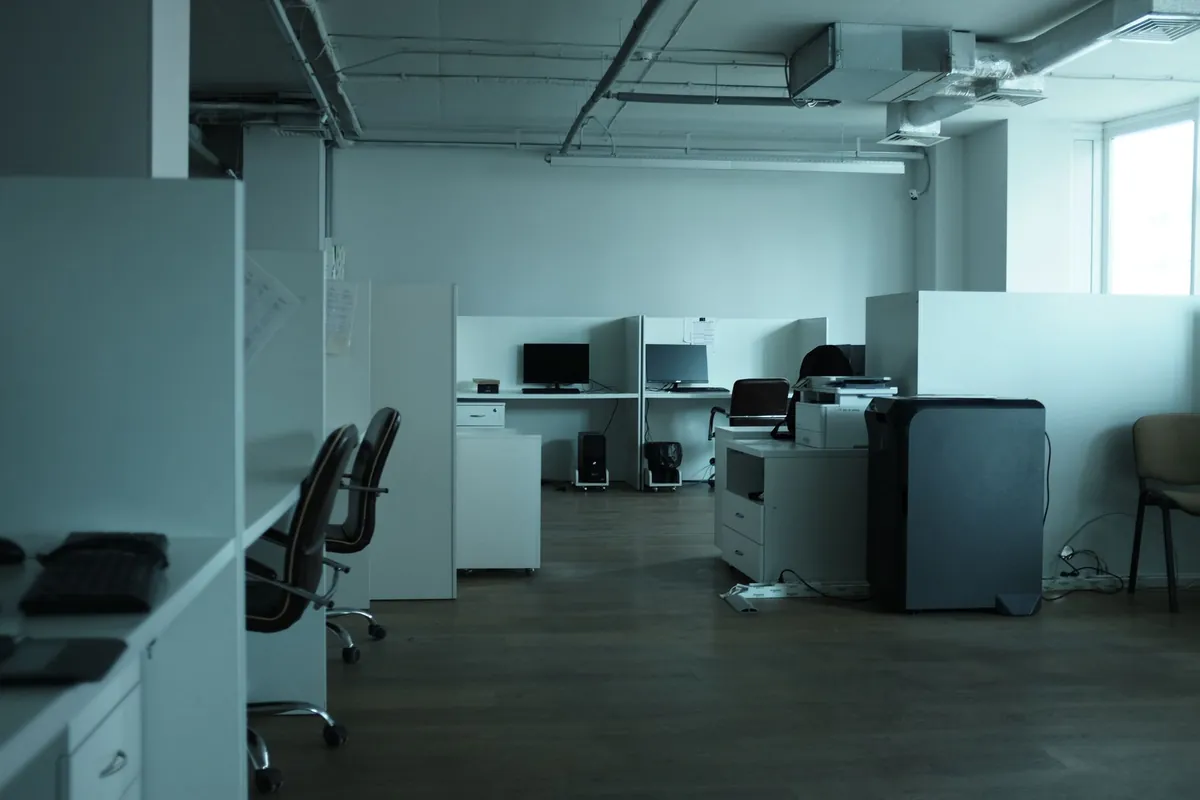
Commercial biohazard cleanup is the controlled removal, cleaning, disinfection and disposal of biological contamination in a workplace, industrial building or other business property.
An affected site can include sharps, blood, human waste, bodily fluids or additional hazardous materials. Events such as an injury, sewage backup, crime scene, unattended death or found discarded needles may call for professional cleanup. Standard janitorial cleaning is not enough when contamination cannot be seen and may have spread behind baseboards, below flooring or across surfaces close to the area.
Cleanup starts by evaluating the property and planning how to contain the area. Wearing protective equipment, trained technicians and other professionals keep surrounding spaces apart from the work zone. Contaminated material is taken out if disinfection cannot make it safe. EPA-registered disinfectants are applied for all of the contact time stated on their labels. A suitable team documents waste disposal, the job scope and photographs, helping facility managers, property owners and an insurance company see what was completed.
Organized scope notes, disposal records and pictures can support property owners, insurance companies and site files.
You receive an explanation of the affected areas, removal decisions, cleaning steps and reopening factors before deciding how to move forward.
Before any recoverable property is cleaned or damaged property is removed, the person in charge joins the assessment of equipment, records, stock and employee belongings.
Unmarked vehicles and contained work areas support privacy at public-facing businesses such as offices, shops and warehouses.
Biohazard cleanup at a workplace becomes necessary if routine cleaning is not safe for the contamination present. What entered the area, where that material spread and who could have crossed the space guide the response. Common examples include:
Air quality, porous finishes and adjoining materials can be affected by an unattended death in a vacant unit, hotel room, private office or restroom.
Following release by law enforcement, crime scene cleaning may involve bodily fluids, damaged contents, odor and fingerprint powder across stores, offices or parking structures.
Feces, sharps, urine, spoiled materials and pests can remain hidden under heavy clutter. Commercial hoarding cleanup services pair biohazard remediation with careful sorting in contaminated locations.
Category 3 black water includes sewage. It may carry harmful microorganisms into stored products, flooring, wall edges and surrounding areas.
Protecting people and preserving the scene come before the cleaning service can begin. A controlled response with simple steps can prevent material from being tracked and allow the assessment to remain accurate:
Call (888) 440-9227Commercial work is priced by scope, and the published range for a large event is $10,000 to $100,000 per project. Tear gas at a commercial property has its own listed range, $10,000 to $50,000 per project. Use these as broad context. The hazard, floor area, waste, testing and how long the business must stay closed all shape the final price. Hourly figures are not reliable here.
These ranges come from published national cost guides, not from a site visit. You learn what your property will cost after the on-site assessment and before any work begins.
Ask about cost: (888) 440-9227The cause, terms of the property policy, lease and any applicable additional coverage determine payment. You should have the insurance company confirm coverage before expecting a commercial biohazard claim to be paid.
Homeowners or renters insurance, the estate or the property owner usually pays for this kind of cleanup. The Washington crime victim compensation program helps only when a crime caused the loss.
Cleanup connected to a covered loss may qualify under some policies, subject to applicable exclusions, limits and the deductible. Give the insurance company the facts and keep the claim number.
Responsibility for business interruption, inventory, fixtures and the premises may be allocated through a lease. Both tenant and owner should consult their insurers and examine the lease.
Ask about required cleaning scope documents, photographs, invoices and disposal records. Retain damaged property for inspection except when keeping it there creates a safety hazard.
During commercial cleanup, occupants need protection, clean travel paths must stay apart from the work zone and each step should be documented. The remediation process differs by facility, though cleanup generally proceeds in this sequence:
Cleanup technicians assess the affected area, nearby rooms, access points, surfaces and operating needs. A defined scope shows what must be taken out and what is cleanable.
The work zone is separated with barriers and controlled entry. The specific hazard determines which gloves, suits, respiratory equipment and eye protection technicians use.
Any stock, furniture, insulation, drywall, ceiling tile, pad or carpet that cannot be disinfected completely is taken out, labeled and packaged for appropriate disposal.
Visible soil is removed before disinfectant is applied. EPA-registered products remain visibly wet throughout the label's full contact time.
Cleaning is possible for non-porous tools, equipment and fixtures when their construction supports the process. Each sensitive item is evaluated before anyone determines whether to remove or retain it.
First comes source removal. If particles or odor persist inside the work area, HEPA air filtration and additional odor treatments may come next.
A planned exit path keeps sealed or bagged waste controlled as it moves to an appropriate disposal or treatment site under the rules that apply.
The cleaned area is inspected against the agreed scope. Requested checks after cleaning, disposal records and photos can document the file for insurance and help guide reopening. When drywall, flooring or another finish was taken out, restoration services may come next.

Phone any hour. A commercial and industrial biohazard cleanup specialist answers, explains the steps and agrees a start time with you.
Commercial biohazards may pose serious health risks if someone contacts or disturbs bodily fluids, waste or contaminated material, or carries it outside the initial area.
Liquid can pass through carpet, seams, grout and wall edges. Contamination may be left behind beneath a surface or inside a connected space when cleaning ends at the visible mark.
Discarded sharps and saturated debris create exposure risks for workers who sort, lift or collect garbage. Sharps belong in puncture-resistant containers, not loose bags.
What occurred may affect loved ones, occupants and employees, including people who saw nothing. Protect privacy, prevent avoidable exposure and share information about appropriate sources of support.
Can you clean it yourself? A properly trained worker can follow the existing exposure-control plan when a spill is very small and limited to a hard, non-porous surface. Use suitable protective equipment and an EPA-registered disinfectant for its full contact time. Restrict entry and get professional cleanup if the affected area has no clear boundary, porous material is involved, or the hazard includes an unknown substance, sewage or sharps.
Non-porous items can often stay when every surface is accessible and can be fully cleaned. Porous materials are removed when contamination soaked in and cannot be reached.
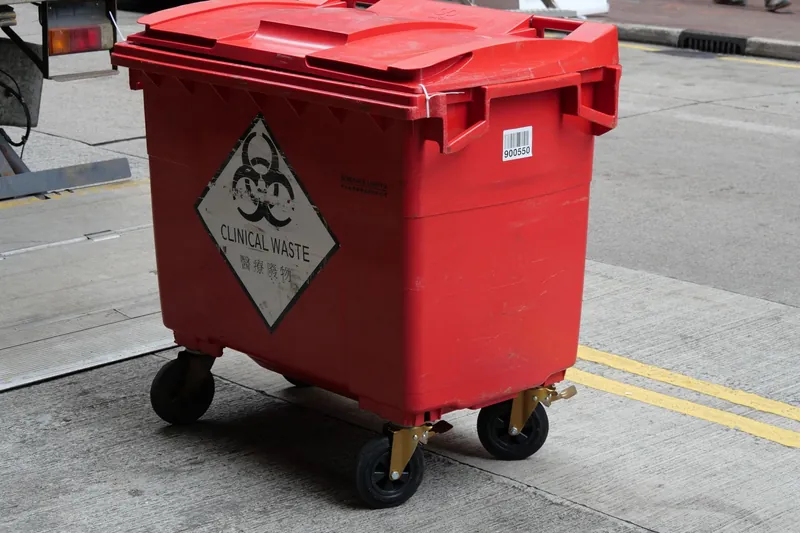
The time needed for commercial biohazard cleanup varies with the hazard, affected-space size, property access and any material removal or testing. One work period might be enough for a small contained space, but reopening a larger industrial site could take several phases.
| Scene | Typical time on site |
|---|---|
| Small, contained non-porous area | One work period may be enough for assessment, cleaning and inspection |
| Multiple rooms or removal of absorbent materials | Plan for separate containment, removal, cleaning and inspection phases |
| A complex hazard or work at a large facility | Any post-cleaning verification joins the approved scope and access plan in determining timing |
To remove an odor, first locate its contaminated source and take that source away. Ventilating the space or applying fragrance and surface spray cannot fix affected material left behind a wall, beneath floors or inside porous furnishings.
Once the source is removed and surfaces are cleaned, HEPA air scrubbers may filter particles from the air inside containment. If odor remains, hydroxyl treatment or another method might be considered according to occupancy and the affected material. When odor has moved outside the initial area, nearby rooms, shared walls and HVAC returns need to be checked.
The full commercial and industrial biohazard cleanup guide covers what is cleaned or removed, odor and air quality work, and the rules that apply in your state.
Read the full commercial and industrial biohazard cleanup guideContainment, entry and cleanup plans can be influenced by local housing, population and access details.
Rental households account for 34.5% locally, which can add access questions when the affected room is inside a managed property.
Local housing has a median build year of 1992, so cleanup should protect intact finishes while removing materials that cannot be disinfected.
In Bothell, 2,023 older adults live alone, so relatives may need clear photos and records when managing cleanup from afar.
With 59.6% single-family housing, cleanup plans should fit both private homes and units with common halls, walls, or ventilation.
You can ask about cleanup in nearby communities and ZIP codes during the call.
Workplace biohazard cleanup addresses office injuries and exposure incidents at work.
See office and workplace biohazard cleanup
Biohazard cleanup addresses care homes, medical clinics and healthcare settings.
See hospital and healthcare biohazard cleanup
Rental property biohazard cleanup covers hotels and Airbnb units as well as rentals.
See hotel, Airbnb and rental biohazard cleanup
Large or small, every fresh or dried blood spill is covered by blood spill cleanup.
See blood spill cleanup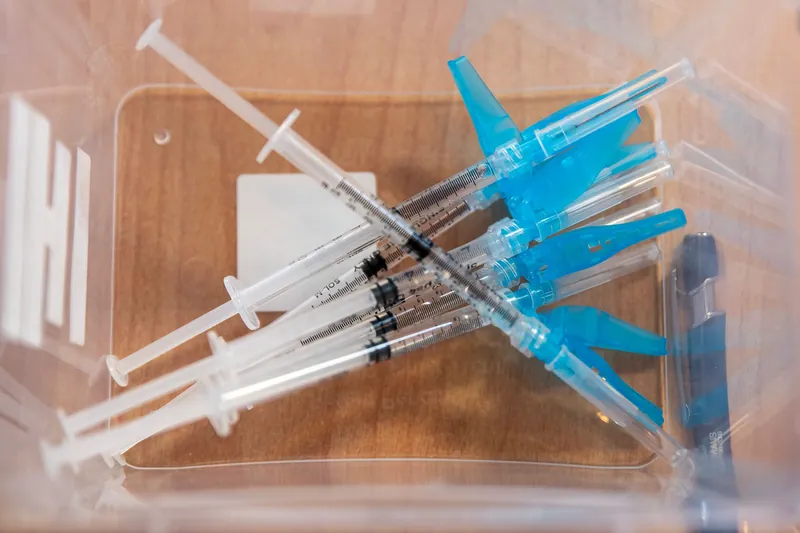
Needle and sharps cleanup for yards, rentals, parks and encampments.
See needle and sharps cleanup
Sewage cleanup removes Category 3 black water from raw sewage, then disinfects and dries the area.
See raw sewage cleanup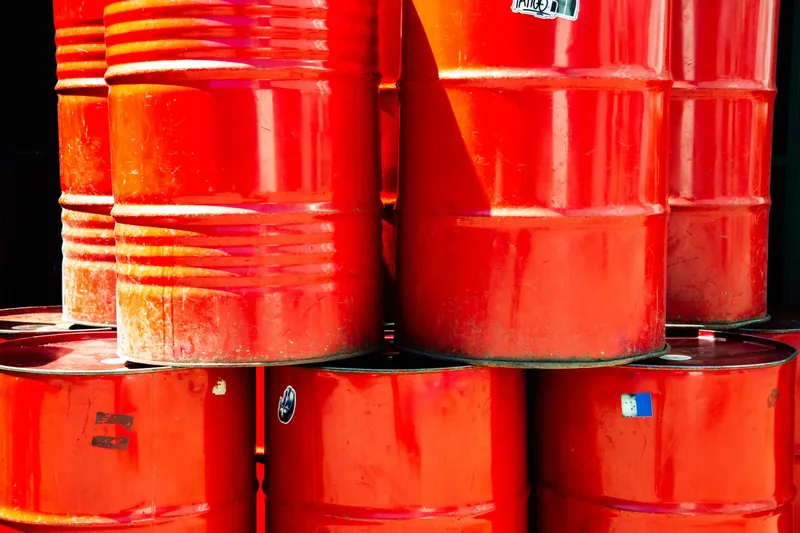
Biohazard waste is collected in labeled, sealed containers and taken for disposal.
See biohazard waste disposal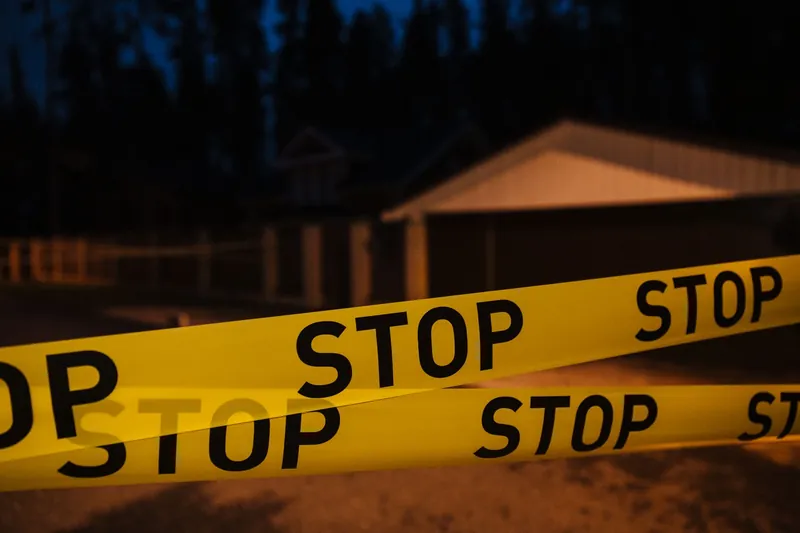
Crime scene cleaning begins after police release and covers blood, odor and the affected property.
See crime scene cleanupTiming varies based on the affected area layout and size, the contamination involved, how much absorbent material comes out and whether post-cleaning verification is requested. A contained area may take one work period. Separate inspection, cleaning, removal and odor treatment phases may be necessary across a larger site.
Big commercial biohazard events appear in published guides at $10,000 to $100,000 for the entire job. It gives $10,000 to $50,000 for tear gas at a commercial location. The listed ranges offer broad guidance. Site size, contamination type, material removal, disposal, testing and business downtime determine the actual scope.
The site's safety process and completion of the cleaning scope should guide reopening. Make sure contaminated materials and waste are gone, requested verification is finished and the disinfectant's full contact time has elapsed. Areas outside containment may reopen separately when clean access routes and building operations can remain isolated from the work zone.
An area assessment and containment plan begin the cleaning process. Technicians remove materials that cannot be disinfected, clean visible soil, apply an EPA-registered disinfectant for the full label contact time and package regulated waste. A final inspection, photos and disposal records can support the property file and reopening decision.
Establish another safe route for visitors and employees, restrict the area and leave contaminated belongings in place. Call 911 if danger is active, and wait for law enforcement to release any crime scene. Notify your insurance company and building contact as needed, and stay outside while sharing what you know about access limitations.
Coverage varies according to exactly what happened and the policy terms. Some eligible losses may fall under commercial property coverage, subject to policy limits, exclusions and a deductible. Tell the insurance company about the event, ask if cleanup and business interruption have coverage, and verify the photos, records and approvals required by the adjuster.
You can request respectful, discreet commercial and industrial biohazard cleanup 24 hours a day, and crews use unmarked vehicles.